Educational overview only. Prudent Guardian (inspirecodingedu.com) is not an insurance company, broker, law firm, or registered investment adviser, and does not provide personalized insurance, investment, tax, medical, or legal advice. Verify details with licensed professionals and official issuers.
This side-by-side FOIA vs private records request comparison table outlines core procedural, eligibility, and access differences for individuals seeking official documentation tied to household property, residency, or public service interactions. FOIA, or the Freedom of Information Act, applies exclusively to records held by federal government agencies, while private records requests apply to non-government entities like homeowner associations, private utility providers, or tenant screening firms. This framework helps you avoid unnecessary rejections by matching your request type to the entity holding the records you need. Prudent Guardian offers this education to help you organize your request paperwork correctly before submission. This page cannot bind coverage, a claim result, or a lawsuit; always confirm rules with the entity holding your records, or consult a licensed professional if you have questions about your specific use case.
| Request Attribute | FOIA Request | Private Records Request |
|---|---|---|
| Eligible Requesters | Any U.S. person or legal entity, no requirement to show direct connection to the records | Only parties with documented direct interest (e.g. named account holder, property owner, tenant on a signed lease) |
| Covered Entities | Federal executive branch agencies, federal regulatory bodies, USPS; excludes Congress, federal courts, White House staff offices, and all state/local government agencies | HOAs, private mortgage servicers, private utility providers, private K-12/colleges, tenant screening firms, private medical practices, non-government nonprofits |
| Mandatory Submission Requirements | Agency-specific FOIA form (or signed written request) with clear record description; photo ID only if requesting personal records about yourself | Entity-specific request form, valid government photo ID, proof of relationship to the records (e.g. account number, property deed, lease agreement) |
| Baseline Fee Structure | First 2 hours of search time and 100 pages of copies are free for individual non-commercial requesters; fees capped per federal rules | Fees set by entity policy, may include search, copy, and administrative fees; no federal cap, though some state rules limit fees for specific record types (e.g. HOA records) |
| Redaction Rules | Only 9 statutory exemptions allow redaction (e.g. national security, personal privacy of third parties, trade secrets); agencies must document all rejections and redactions | Redaction per state privacy laws and internal entity policies; may broadly redact all information unrelated to your specific request or that identifies third parties |
| Appeal Process For Denials | First file an administrative appeal with the agency’s FOIA office within the published deadline; you may file a federal court appeal if the administrative appeal is denied | First file an internal appeal per the entity’s published policy; if denied, you may file a complaint with the applicable state regulatory body or pursue small claims court if permitted by state law |
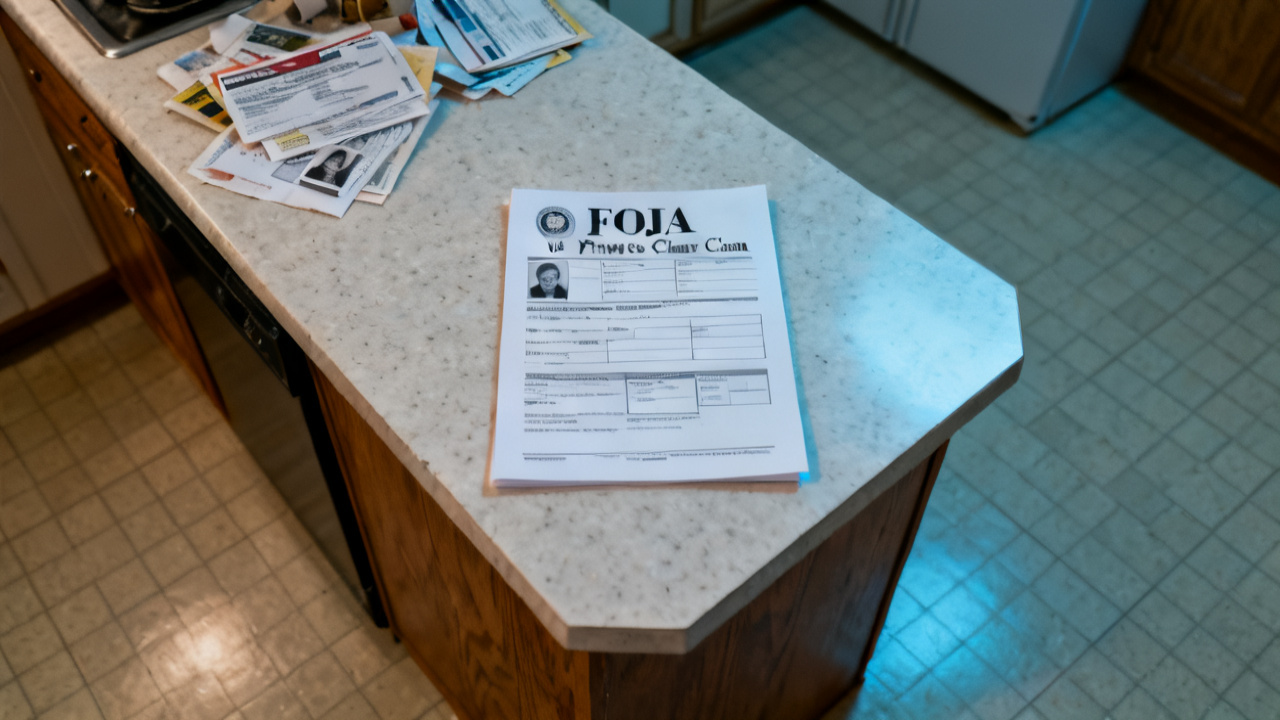
Completed FOIA request form submission prerequisites
Before submitting a FOIA request, first confirm the records you are seeking are held by a federal agency, not a state, local, or private entity. For example, records of a Federal Emergency Management Agency (FEMA) inspection for your home after a natural disaster qualify for a FOIA request, but records of an inspection conducted by your private insurance provider require a private records request. Next, draft a record description specific enough that agency staff can locate the materials without conducting uncompensated broad research: include relevant date ranges, program names, case or application IDs if you have them, and any known names of staff associated with the records. If you are requesting records that include your own personal identifying information, attach a scanned copy of your government-issued photo ID to reduce unnecessary redaction of your own data. Confirm the agency’s designated FOIA submission channel: most agencies accept requests via a dedicated online portal, while some require submission via email or postal mail to a named FOIA officer. Prudent Guardian recommends retaining a timestamped copy of your full submission, including all attachments, for your personal records before sending. If you are submitting a request on behalf of another individual, you must include a signed, notarized authorization form granting you permission to access their records to avoid automatic rejection.

Private request confirmation letter turnaround timeframes
Unlike FOIA, which has federally mandated response timelines, private entity response windows are set by state law, entity bylaws, or internal policy. For all private record requests, you should receive a confirmation of receipt within 3 business days of submission, sent via the same channel you used to submit the request unless you requested an alternate contact method. If you do not receive a confirmation within 5 business days, follow up with the entity’s designated records custodian via written message that references your original submission date and request subject line to create a paper trail of your follow up. For common household-related private requests, state rules set standard turnaround times: most states require HOA records requests to be fulfilled within 10 to 30 business days, private utility records within 10 business days, and tenant screening records within 15 business days. Illustrative example: a request for 2023 HOA meeting minutes related to a special assessment for community pool repairs in California must be fulfilled within 10 business days of receipt per state HOA statutes. For private medical records, HIPAA mandates a 30 calendar day response window, with one allowed 30-day extension if the entity notifies you in writing of the delay and its underlying reason. Write the confirmation receipt date on your personal calendar as soon as you receive it to track when your full response is due.
Response document storage folder access restriction rules
Regardless of whether you receive records via FOIA or private request, you must implement access restrictions to protect sensitive personal information for your household and any third parties named in the documents. First, create a dedicated encrypted digital folder and a locked physical file folder for all response documents, labeled with a generic identifier like “2024 property records requests” instead of a label that includes sensitive data like your social security number or case ID. For digital files, enable unique password protection for the folder, and only share access with household members who have a direct need to review the records, or with licensed professionals like a real estate attorney or insurance adjuster you have hired to assist with your related matter. If the records include redacted third-party information, you are prohibited from attempting to uncover or distribute that redacted information under both federal FOIA rules and most state privacy laws. For physical records, store the locked folder in a fireproof safe when not in use, and never leave unsecured copies of the records in accessible areas of your home, vehicle, or public spaces. If you need to share copies of the records with a third party for a verified purpose (e.g. submitting proof of residency to your child’s school), redact any unrelated personal information not relevant to the purpose of the share before sending.
Processing timeline tracking calendar milestone alignment guidelines
Align your request tracking milestones to the applicable statutory or policy timelines to avoid missing appeal deadlines or required follow-up windows. For FOIA requests, mark the following non-negotiable milestones on your calendar: 20 business days from submission (the federal statutory initial response deadline for most agencies), 30 business days from submission (follow-up date if you have not received an initial response or formal extension notice), 90 days from receipt of a denial (deadline to file an administrative appeal with the agency’s FOIA appeals office). For private requests, mark the following milestones: 5 business days from submission (follow-up date if you have not received a confirmation of receipt), the response deadline per applicable state law or entity policy, 3 days after the published response deadline (follow-up date if you have not received a full response or formal delay notice), 30 days from receipt of a denial (deadline to file an internal appeal or a complaint with the applicable state regulatory body, such as your state’s department of consumer affairs for HOA records or department of insurance for private insurance records). If you submit a follow-up or appeal, update your calendar to reflect the new timeline for that submission, and cross-reference all milestones with your original submission confirmation to ensure you are counting days correctly, excluding weekends and official government or entity holidays as outlined in the request rules.
Archived records holding box retrieval cost breakdowns
Both FOIA and private requests may incur additional fees if the records you are seeking are stored in off-site archived holding boxes instead of active office files. For FOIA requests, agency fees for archived record retrieval are published in the agency’s public FOIA fee schedule, available on their official website, and are charged based on the actual cost of retrieving the box from off-site storage and processing the records inside. You will receive a written fee estimate before the agency retrieves the box, and you may choose to narrow your request to reduce fees or cancel the request at no cost if the estimate is higher than you are willing to pay. Illustrative example: a federal agency may charge a $25 flat fee for retrieval of one off-site archived holding box, plus the standard 10 cent per-page copy fee for any records you request from inside the box. For private requests, archived record retrieval fees are set by the entity, and may include a flat box retrieval fee, plus hourly labor fees for staff to search the box for your requested records, plus per-page copy fees. Most private entities will provide a written fee estimate before processing archived requests, and you may adjust or cancel your request before fees are incurred. You are not obligated to pay fees that exceed the provided estimate unless you approve additional work in writing. For both request types, retain a copy of the fee estimate and final invoice for your tax records if the request is related to a deductible household expense, like a property repair, insurance claim, or tax dispute.
Your next action: Identify the entity holding the records you need this week, use the comparison table above to select the correct request type, and draft a specific record description before submitting your request.