Educational overview only. Prudent Guardian (inspirecodingedu.com) is not an insurance company, broker, law firm, or registered investment adviser, and does not provide personalized insurance, investment, tax, medical, or legal advice. Verify details with licensed professionals and official issuers.
This ALE receipt-folder checklist outlines clear steps to organize all additional living expense documentation for smooth processing of covered home insurance claims. ALE coverage pays for temporary housing, meals, and other necessary costs when a covered peril renders your home uninhabitable, so consistent documentation ensures you do not leave eligible reimbursement on the table. Prudent Guardian created this framework for household use, and you should always confirm requirements directly with your insurance carrier or licensed claim representative before submitting any documentation. This page does not bind coverage, guarantee claim approval, or replace guidance from your policy issuer.
Physical ALE folder sorting rules for daily expense receipts
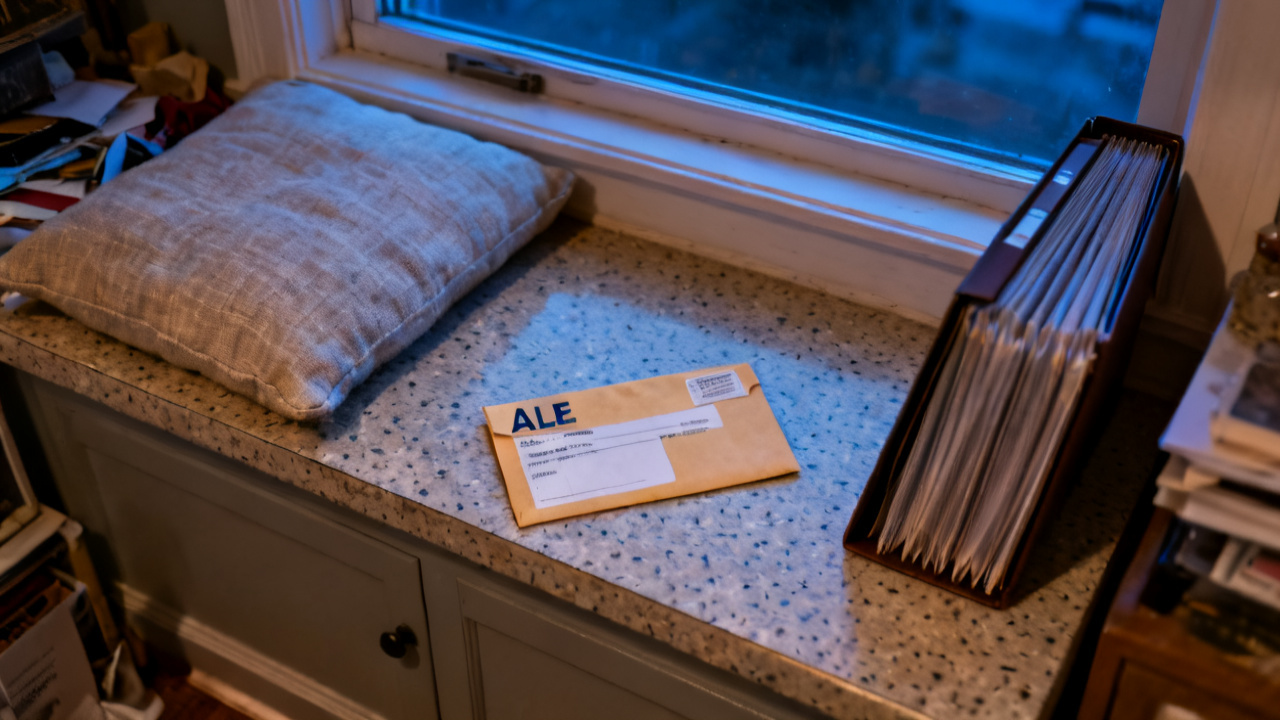
Start with a durable, labeled physical folder to store all hard-copy receipts, paired with a matching password-protected digital cloud folder for scanned copies. Use three pre-printed tab dividers inside the physical folder to separate content into three groups: eligible daily expenses, carrier correspondence, and submission confirmations. As you collect receipts each day, sort them immediately to avoid mixing in non-covered personal expenses that could cause delays or rejections during adjuster review. For any receipt with an unclear merchant name or no line-item detail, write a 3 to 5 word context note on the back linking the purchase to your displacement, such as “hotel after wildfire evacuation” or “laundry after pipe burst”. Use the below checklist to standardize your sorting process every time:
| Task | Frequency | Verification Step |
|---|---|---|
| Label folder with full claim number, policy number, and incident date | One time at setup | Cross-reference details with your initial claim filing confirmation email |
| Sort receipts by date in the eligible expenses tab | Daily | Confirm no non-covered receipts (e.g. concert tickets, home renovation supplies) are included in the stack |
| Attach context note to receipts without clear line-item details | As needed | Confirm note explicitly connects the expense to your home displacement |
| Scan every receipt and save to the matching digital folder | Same day as purchase | Confirm scanned copy is fully legible, including dates and total amounts |
| File all carrier ALE-related correspondence in the dedicated tab | Within 24 hours of receipt | Highlight any stated submission deadlines or expense eligibility rules |
| File submission confirmations for all sent receipt batches | Within 24 hours of submission | Confirm confirmation lists the exact date range of expenses in the submitted batch |
Keep the folder in a fixed, easy-to-access location in your temporary housing, so you do not misplace receipts between purchases and sorting sessions.
Standard ALE form fields to cross-reference with stored receipts
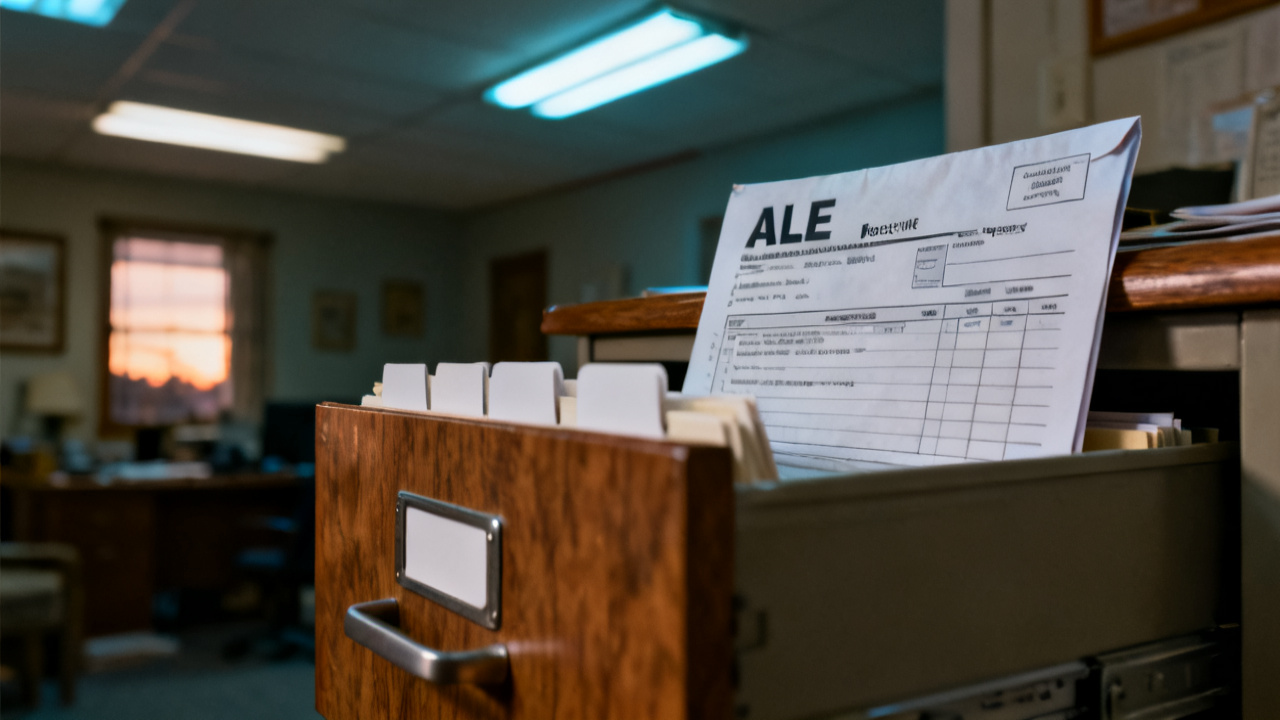
Every insurance carrier provides a standardized ALE reimbursement form that you will fill out for each batch of receipts you submit. Before you finalize any submission, cross-reference every line item on the form with the corresponding receipt to confirm all fields align exactly, as mismatches are one of the most common causes of reimbursement delays. The standard fields you will need to verify for every expense include: date of purchase, merchant legal name, total pre-tax cost of the covered portion of the purchase, explicit purpose tied to displacement, number of covered household members included in the expense, and any applicable deductible allocation for the line item. If a receipt includes both covered and non-covered costs (for example, a grocery run that includes both food for your household and a gift for a friend), circle the covered portion of the receipt, write a short note explaining the split, and only list the covered amount on your reimbursement form. Illustrative example: If your form lists a $68 hotel stay on September 12, your receipt must show the same date, same hotel property, and same total, with no non-covered charges like in-room movie purchases or premium Wi-Fi for personal streaming included in the listed amount. Never rely solely on credit card statements as proof of purchase, as most carriers require itemized receipts to confirm the expense is eligible for ALE coverage.
Dated expense calendar entries to match receipt submission timelines
Maintain a dedicated physical or digital calendar exclusively for tracking ALE-eligible expenses, tied directly to the displacement window confirmed by your adjuster. For every eligible purchase, add a calendar entry on the date of the expense that lists the total cost, short purpose description, and a reference number linking to the corresponding receipt in your physical and digital folders. When you submit a batch of receipts, add a separate calendar entry on the submission date that lists the full date range of expenses included in the batch, and link it to the submission confirmation stored in your folder. This calendar acts as a quick index for your receipt collection, so you can pull a specific receipt for an adjuster request in seconds instead of sorting through hundreds of loose slips. It also helps you avoid accidentally submitting the same receipt twice, or missing a receipt that you have not yet turned in. Illustrative example: If you submit receipts for the period of September 1 to September 15 on September 18, mark that entry on your calendar, and only add expenses dated September 16 or later to your next submission batch. You should also mark your adjuster’s stated submission deadlines and the end of your approved displacement window on the calendar, so you do not miss cutoff dates for submitting eligible expenses.
Insurance adjuster letter requirements for valid receipt submission
When your ALE coverage is first approved, your adjuster will send a formal official letter outlining all non-negotiable requirements for receipt submission. Keep this letter in the front pocket of your ALE folder for quick reference, and highlight any rules that differ from standard practices, so you do not accidentally violate them. Common requirements outlined in these letters include: required submission frequency (usually every 2 weeks or every 30 days), maximum per-person per-day limits for meal and incidental expenses, required receipt formats (original hard copies, legible scanned copies, itemized only), and the final deadline for submitting all receipts after you move back into your permanent home. If your adjuster sends an updated letter with revised requirements at any point during your claim, replace the old letter in your folder with the new version, and update your sorting rules and calendar reminders to match the new guidelines. If any part of the letter is unclear, reach out to your adjuster directly for written clarification, and add that clarification to your correspondence tab for future reference. Never assume a purchase is eligible without confirming it aligns with the rules laid out in your adjuster’s official letter, as unapproved expenses will not be reimbursed.
Quarterly audit schedule to confirm folder receipt completeness
Conduct a short, structured audit of your ALE folder every 3 months, or immediately after submitting a large batch of receipts, to confirm all documentation is complete and no eligible expenses are missing. The audit should take 15 to 30 minutes, and follow the steps laid out in your checklist. First, cross-reference every entry in your ALE expense calendar with the receipts in your eligible expenses tab, to make sure every listed expense has a corresponding legible receipt. Second, cross-reference every submission confirmation in your folder with the calendar entries for submitted expenses, to confirm every receipt you sent has a record of carrier receipt. Third, sort through the eligible expenses tab to remove any non-covered receipts you may have accidentally added, and confirm all unclear receipts have attached context notes. Fourth, spot-check 10% of your scanned digital receipts to confirm they match the physical copies and are saved to a backed-up location. Illustrative example: During a quarterly audit, you may notice a calendar entry for a $32 laundromat expense on October 3, but no corresponding receipt in your folder. You can then pull your credit card statement, request a duplicate itemized receipt from the laundromat, and file it before your next submission batch, so you do not lose out on eligible reimbursement. Once you move back into your permanent home, conduct a final full audit within 7 days to confirm all eligible receipts have been submitted before your adjuster’s final deadline.
Right now, gather all loose ALE receipts you have collected to date, label a dedicated folder with your claim number, and sort the receipts by date using the checklist above.
Written by the Prudent Guardian editors.