Educational overview only. Prudent Guardian (inspirecodingedu.com) is not an insurance company, broker, law firm, or registered investment adviser, and does not provide personalized insurance, investment, tax, medical, or legal advice. Verify details with licensed professionals and official issuers.
Guaranty association disclosure cards outline mandatory state-specific insurance coverage limits for policyholders across the U.S. These documents are required to be distributed to new policyholders for most property, casualty, life, and health insurance lines, but their standard pre-printed text only covers core protections, not all possible claim scenarios. Many policyholders misinterpret the bolded opening blurb on these cards as a full backup for any insurance carrier insolvency, but multiple categories of coverage gaps apply that the disclosure does not explicitly advertise up front. Prudent Guardian provides this process-focused education to help you track your disclosures and understand where your coverage may have limits outside of guaranty association protections, and you should always confirm coverage terms with your licensed insurance agent or carrier representative if you have questions about specific exclusions, as this page cannot bind coverage, impact a claim result, or support legal action.
Prudent Guardian editors

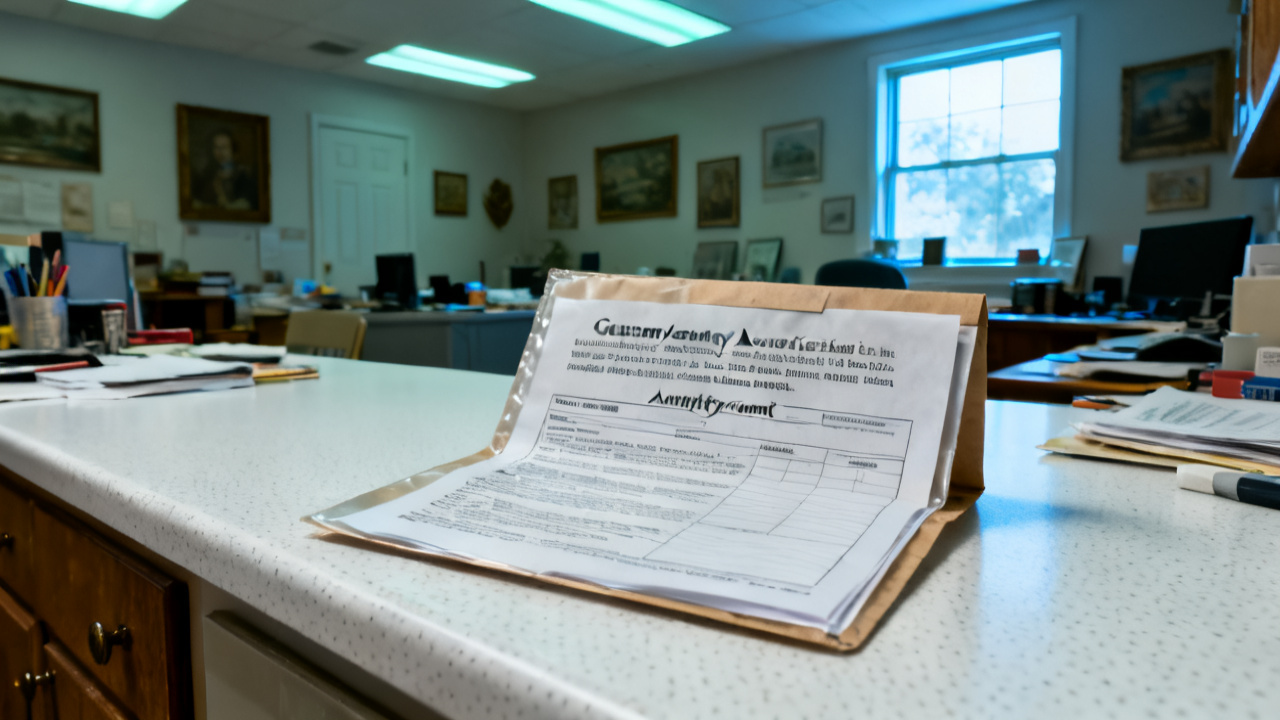
Pre-printed disclosure form sections that list non-covered insurance events excluded from guaranty association protections
Every pre-printed guaranty association disclosure card includes a mandatory exclusion section, often printed in small 8-point font below the bolded text that outlines core coverage limits. Common exclusions apply regardless of your policy type, and you should cross-reference each line item against your specific policy coverage to identify gaps before you need to file a claim. Use the table below to audit your existing disclosure card for critical exclusion information:
| Disclosure Card Section | Item to Verify | Action If Missing |
|---|---|---|
| Exclusions paragraph | List of unlicensed carrier coverage denial | Flag for your agent to confirm your carrier is state-licensed |
| Exclusions paragraph | State-specific coverage caps for your policy line | Write the cap amount in the margin of your policy declaration page for reference |
| Exclusions paragraph | Denial of coverage for amounts above state caps | Add a note to your emergency savings plan to cover potential gaps for high-value assets |
| Exclusions paragraph | Surplus lines policy exclusion | Confirm if you hold a surplus lines policy, as these are almost never covered |
Many policyholders skip reading this section entirely, assuming the opening blurb’s reference to “state-backed protection” applies to all of their coverage. Illustrative example: A state may set a $300,000 cap on home insurance claim payouts from a guaranty association following carrier insolvency, so a policyholder with a $750,000 home replacement policy would only receive $300,000 from the association, and the remaining $450,000 would not be covered, even if the full policy amount was active before the carrier failed. The pre-printed disclosure will list this cap exclusion, but it is rarely highlighted in the opening blurb, making it easy to miss if you only scan the top of the card.
Labeled policy folder slots designated for storing your signed guaranty association disclosure card for quick access
Proper storage of your signed disclosure card ensures you can access proof of your guaranty association coverage within minutes if you receive official notice that your insurance carrier has become insolvent. For physical policy folders, use a pre-cut tab labeled “Guaranty Association Disclosure” placed immediately behind your policy declaration page, so you can pull the card up in 10 seconds or less when requested. For digital policy folders, create a dedicated subfolder with the same label, and save a high-resolution scanned copy of your signed disclosure card there, plus a screenshot of your state insurance department’s current guaranty association limits page for your specific policy line. Never store this card with unrelated receipts, marketing mail, or non-insurance paperwork, as you may need to present a signed, dated copy to the state guaranty association to process a claim if your carrier fails. If you cannot locate your signed card, request a replacement copy from your carrier within 30 days of noticing it is missing, and sign and date the replacement immediately upon receipt before filing it in your designated slot.
Mailed official letter updates that adjust state guaranty association disclosure terms following new legislative changes
State legislatures regularly update guaranty association limits, exclusions, and eligibility rules, so you may receive official mailed letters from your carrier or state insurance department that modify the terms of your original disclosure card. These letters are often marked as “important policy updates” and are not junk mail, so you should open them immediately upon receipt to review any changes to your coverage. Cross-reference any new terms against your stored disclosure card, then update the margin notes on your policy declaration page to reflect new limits or exclusions. Illustrative example: A state may pass legislation raising the life insurance death benefit cap from $300,000 to $500,000, so the update letter will confirm that your existing coverage now qualifies for the higher cap if your carrier fails. If you receive a letter that adds a new exclusion for a coverage type you hold, contact your licensed agent to discuss alternative coverage options if the exclusion creates an unacceptable gap for your household. Add a copy of every update letter to the same labeled folder slot as your original disclosure card, so you have a full paper trail of all applicable terms if you need to file a claim in the future.
Annual policy calendar alerts prompting you to review updated guaranty association disclosure language at policy renewal
Setting a recurring annual calendar alert to review your disclosure terms ensures you stay up to date on any changes that may impact your coverage gaps. Schedule the alert for 10 days before your policy renewal date, specifically to review the most current guaranty association disclosure language provided by your carrier. Most carriers include a copy of the updated disclosure with your annual renewal packet, so you can compare it to the previous year’s version to identify any changes to limits, exclusions, or eligibility. If your carrier does not include a copy of the disclosure in your renewal packet, you are within your rights to request a copy free of charge from your agent or carrier customer service team. During this annual review, confirm that your policy’s coverage amounts do not exceed the current state guaranty association cap by more than you are comfortable covering out of pocket, and adjust your policy limits or emergency savings accordingly. Prudent Guardian recommends that you log the date of your review in the notes section of your calendar event, so you can prove you reviewed the terms if you need to file a claim in the future.
Registered agent schedule rules for distributing guaranty association disclosure cards to all new insurance policyholders
State insurance regulations require carriers or their registered agents to distribute a physical or digital copy of the guaranty association disclosure card to all new policyholders within a set timeline after policy purchase, which varies by state but is typically between 10 and 30 days of your policy effective date. If you purchase a policy over the phone or online, you may receive a digital copy via email immediately after purchase, followed by a physical copy in the mail within the required timeline. You have the right to request a physical copy of the card even if you received a digital version, and carriers cannot charge you a fee for this request. If you do not receive your disclosure card within the timeline required by your state, contact your state insurance department to file a formal request for the document, as failure to receive the disclosure does not waive any exclusions that apply to your coverage. For group policies, such as employer-sponsored fully insured health insurance (not self-funded plans), the plan administrator is required to distribute copies of the disclosure to all covered employees within the same timeline as individual policyholders. If you are covered under a group plan and have not received a copy of the disclosure, reach out to your plan administrator directly to request one.
Locate your most recent guaranty association disclosure card within the next 7 days, cross-reference it against the exclusion table included on this page, and store it in the designated labeled slot in your policy folder if it is not already filed there.